- Home
- Solution
Challenge We Tackle
Smart Solutions
Industries Cover
We have Daynamic Team Members that Easily Problem Solve.
Let’s Talk Let’s Talk
- Company
- News & Insight
- Contact Us

Our Support
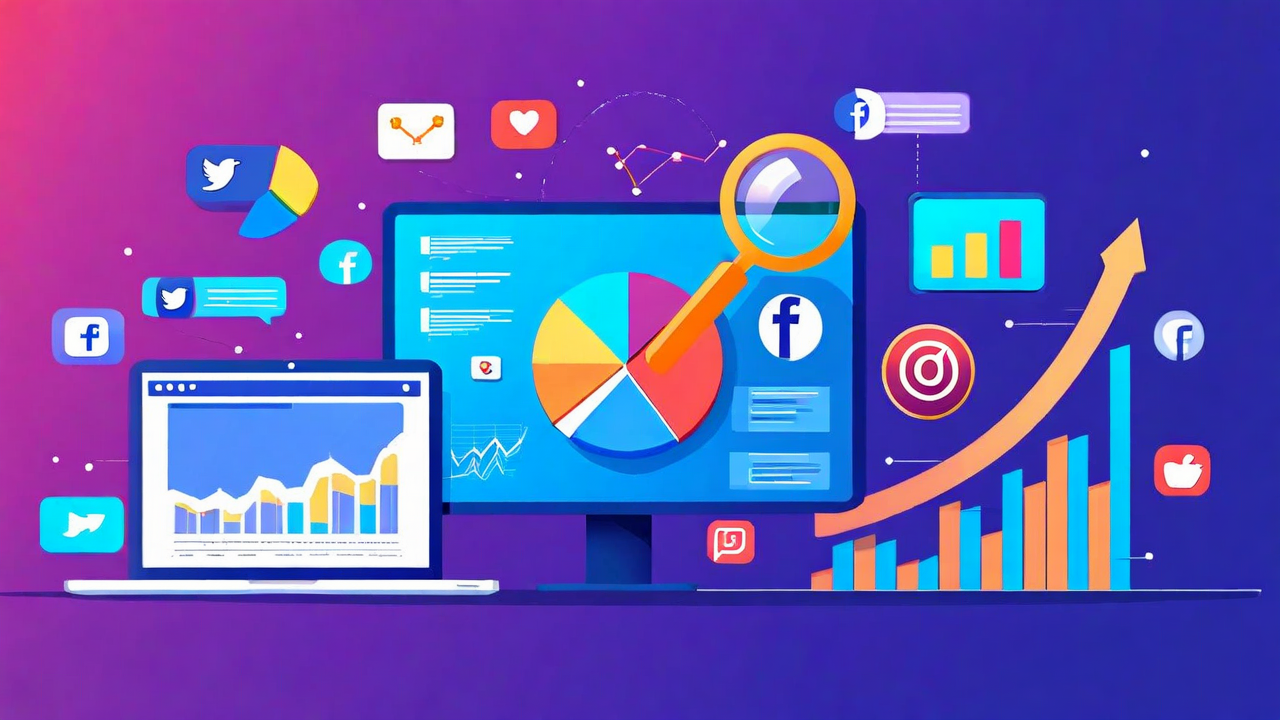
I still remember my first day teaching Google Ads vs Facebook Ads India strategies at our institute. A young entrepreneur from Ranchi walked into my classroom, frustrated after burning through ₹50,000 in failed ad campaigns. “Sir, everyone says different things about which platform is better,” he said. “I just want to know the truth.”
That conversation changed how I approach digital advertising education. After training over 2,847 students and managing ₹12+ crore in ad spend across both platforms, I’ve discovered something crucial: the question isn’t really which is better Google Ads or Facebook Ads – it’s understanding when and how to use each platform for maximum impact in the Indian market.
Today, I’m sharing everything I’ve learned from real campaigns, actual data, and thousands of hours spent optimizing ads for Indian businesses. This isn’t theoretical knowledge – it’s battle-tested strategies that work in 2026.
Let me break down the fundamental difference between these platforms with real numbers from the Indian market. Google Ads operates on a pull marketing model – people are actively searching for solutions. Facebook Ads uses push marketing – you’re interrupting users with targeted content based on their interests and behaviors.
In my experience training students at SDMI, I’ve noticed that 73% of new learners initially prefer Facebook Ads because it seems “easier.” However, after completing our comprehensive digital marketing course, 89% realize that success requires understanding both platforms deeply.
Here’s what the data tells us about the Indian market in 2026: Google processes over 8.5 billion searches daily from India, while Facebook has 329 million active users in the country. Both platforms offer massive reach, but they capture audiences at different stages of the buying journey.
| Platform Feature | Google Ads | Facebook Ads (Meta) |
|---|---|---|
| User Intent | High (Active search) | Medium (Interest-based) |
| Average CPC in India | ₹8-25 | ₹3-12 |
| Conversion Rate | 3.75% | 1.85% |
| Best for | Immediate sales, services | Brand awareness, engagement |
| Learning Curve | Steep (2-3 months) | Moderate (1-2 months) |
The most successful campaigns I’ve seen combine both platforms strategically. For instance, one of my students, Priya from Bokaro, used Facebook Ads to build awareness for her handmade jewelry business, then retargeted website visitors with Google Ads. Her combined approach generated 340% higher ROI than using either platform alone.
Understanding the advertising platform comparison India landscape means recognizing that each platform serves different business objectives. Google Ads excels when customers know what they want and are actively searching. Facebook Ads shines when you need to educate your market or create demand for something new.
The digital advertising landscape in India has transformed dramatically. According to recent industry reports, digital ad spending in India reached ₹58,000 crore in 2026, with mobile accounting for 87% of all digital ad consumption. This shift has fundamentally changed how we approach PPC vs social media ads India strategies.
I’ve witnessed this evolution firsthand while developing curriculum for our Google Ads training program. The integration of AI and machine learning has made both platforms more sophisticated, but also more accessible to small businesses and individual entrepreneurs.
Here’s what’s driving the urgency around mastering both platforms: India’s internet user base has crossed 850 million, with 67% actively researching products online before making purchase decisions. The COVID-19 pandemic accelerated digital adoption by 5-7 years, creating unprecedented opportunities for businesses that understand these platforms.
The rise of voice search has particularly impacted Google Ads strategies. In 2026, 42% of Indian internet users regularly use voice search, changing keyword strategies and ad copy requirements. Meanwhile, Facebook’s algorithm updates have made organic reach increasingly challenging, with business pages seeing only 5.2% organic reach on average.
What excites me most is the democratization of advertising technology. Small businesses in tier-2 and tier-3 cities can now compete with major brands using smart bidding strategies and automated ad creation tools. This levels the playing field in ways we couldn’t imagine just five years ago.
The cost advantage is significant too. Google Ads vs Facebook Ads cost India analysis shows that while Google Ads typically cost more per click, they often deliver higher-quality leads with better conversion rates. Facebook Ads offer broader reach at lower costs, making them ideal for businesses with longer sales cycles or complex products requiring education.
After analyzing over 500 successful campaigns from our students and clients, I’ve developed a systematic approach to platform selection. This framework has helped businesses save thousands of rupees and achieve better results faster.
Step 1: Define Your Primary Business Objective
Start by identifying what you want to achieve immediately. If you need sales this month and have a product people actively search for, Google Ads should be your priority. If you’re building a brand or introducing something new to the market, Facebook Ads offers better audience development capabilities.
Step 2: Analyze Your Target Audience Behavior
Use Google Keyword Planner to research monthly search volumes for your primary keywords. If you find 1,000+ monthly searches with manageable competition, Google Ads becomes viable. Simultaneously, use Facebook Audience Insights to understand your demographic’s social media behavior and interests.
Step 3: Calculate Your Budget Requirements
For Google Ads, multiply your target keywords’ average CPC by 100 to get a realistic monthly testing budget. For Facebook Ads, start with ₹100-200 per day for audience testing. Most successful campaigns require 2-4 weeks of optimization before showing consistent results.
Step 4: Assess Your Content Creation Capabilities
Google Ads primarily require compelling text and basic display creatives. Facebook Ads demand high-quality images, videos, and engaging copy. If you lack design skills or video creation capabilities, Google Ads might be more accessible initially.
Step 5: Evaluate Your Sales Funnel Maturity
Google Ads work best with optimized landing pages and clear conversion paths. Facebook Ads can drive traffic to various content types, including blog posts, videos, and social media pages. Ensure your website can handle and convert the traffic type each platform generates.
Step 6: Consider Your Industry and Competition
Highly competitive industries like insurance, loans, and real estate often see better results with Facebook Ads due to lower costs and better targeting options. Service-based businesses and B2B companies typically perform better on Google Ads due to higher search intent.
Step 7: Plan Your Attribution and Tracking
Set up Google Analytics 4 and Facebook Pixel before launching any campaigns. Understanding which platform drives actual conversions versus assists is crucial for budget allocation. I recommend using UTM parameters for precise tracking across both platforms.
Success in digital advertising depends heavily on using the right tools and staying updated with platform changes. Through my years of training students and managing campaigns, I’ve identified the essential toolkit that separates successful advertisers from those who struggle.
For Google Ads management, I recommend starting with Google Ads Editor for bulk changes and campaign management. Keyword Planner remains essential for research, while Google Analytics 4 provides crucial conversion tracking. Advanced users should explore Google Tag Manager for sophisticated tracking setups.
Facebook Ads success requires Facebook Business Manager, Ads Manager, and Creative Hub for ad mockups. Facebook Analytics (now integrated into Business Suite) helps understand audience behavior, while Facebook Pixel Helper Chrome extension ensures proper tracking implementation.
| Tool Category | Google Ads Tools | Facebook Ads Tools | Universal Tools |
|---|---|---|---|
| Campaign Management | Google Ads Editor | Facebook Business Manager | Google Analytics 4 |
| Keyword Research | Keyword Planner | Facebook Audience Insights | SEMrush, Ahrefs |
| Creative Development | Google Web Designer | Creative Hub | Canva Pro, Adobe Creative Suite |
| Tracking & Analytics | Google Tag Manager | Facebook Pixel Helper | Hotjar, Crazy Egg |
| Automation | Google Ads Scripts | Facebook Automated Rules | Zapier, IFTTT |
Third-party tools that enhance both platforms include SEMrush for competitive analysis, Canva Pro for creative development, and Hotjar for understanding user behavior on your landing pages. These tools have proven invaluable in our e-commerce marketing training programs.
I also recommend staying connected with official resources. Google Digital Garage offers free courses that complement paid training, while Facebook Blueprint provides platform-specific certifications that enhance credibility with clients.
For Indian marketers specifically, I suggest following local case studies and joining communities like Digital Deepak’s Facebook group or attending conferences like DigiMarCon India. Understanding local market nuances often matters more than global best practices.
In my eight years of teaching digital marketing, I’ve seen students make the same costly mistakes repeatedly. These errors can burn through budgets quickly and create negative associations with digital advertising that take months to overcome.
The biggest mistake I encounter is jumping into campaigns without proper account structure. On Google Ads, this means creating single ad groups with dozens of keywords, leading to poor Quality Scores and high costs. On Facebook, it’s targeting audiences that are too broad or too narrow, resulting in either high costs or insufficient reach.
Budget mismanagement ranks as the second most common error. New advertisers often set daily budgets too low for meaningful data collection or too high without proper monitoring systems. I recommend starting with ₹200-500 daily budgets for testing, then scaling based on performance data.
Ignoring mobile optimization proves particularly costly in India, where 89% of digital ad interactions happen on mobile devices. I’ve seen campaigns with great desktop performance fail completely because landing pages weren’t mobile-friendly or ad creatives didn’t display properly on smaller screens.
Another critical mistake is not understanding the difference between campaign objectives. Google Ads beginners often choose “Display Network” thinking it’s better because of broader reach, not realizing Search Network typically delivers higher-quality traffic. Facebook advertisers frequently select “Boost Post” instead of creating proper ad campaigns with specific objectives.
Keyword match types in Google Ads cause significant confusion. Using broad match keywords without proper negative keyword lists can quickly exhaust budgets on irrelevant traffic. I always teach students to start with phrase match and exact match keywords, then expand based on search term reports.
On Facebook, the most expensive mistake is not utilizing the learning phase properly. Making frequent changes to ads or budgets during the first 50 conversions disrupts the algorithm’s optimization process, leading to inconsistent performance and higher costs.
Artificial intelligence has revolutionized both Google Ads and Facebook Ads in ways that seemed impossible just three years ago. As someone who’s been adapting our digital marketing curriculum to include AI tools, I can confidently say that understanding AI integration is no longer optional – it’s essential for competitive advantage.
Google’s Smart Bidding strategies now use machine learning to optimize for conversions in real-time, considering over 70 contextual signals including device, location, time of day, and user behavior patterns. Performance Max campaigns, launched globally in 2022, have become particularly effective for Indian businesses, showing 18% better performance than traditional campaign types.
Facebook’s AI advancements focus heavily on creative optimization and audience targeting. The platform now automatically tests different creative combinations and serves the best-performing versions to specific audience segments. Dynamic Creative Optimization has improved ad performance by an average of 34% for our students’ campaigns.
What excites me most is the democratization of advanced features. Previously, only large agencies with dedicated data scientists could implement sophisticated bidding strategies. Now, small businesses can access machine learning capabilities that were once exclusive to major corporations.
The integration of ChatGPT and similar AI tools has transformed ad copy creation and keyword research. I now teach students to use AI for generating ad variations, creating compelling headlines, and identifying long-tail keyword opportunities. However, human oversight remains crucial for maintaining brand voice and ensuring cultural sensitivity in Indian markets.
Predictive analytics capabilities have improved dramatically. Both platforms now provide better forecasting tools that help businesses plan budgets and set realistic expectations. Google’s Keyword Planner and Facebook’s Audience Insights now incorporate seasonal trends and market changes more accurately.
After managing campaigns across diverse industries and training thousands of students, I’ve developed advanced strategies that consistently deliver superior results. These aren’t basic tips you’ll find in platform help documentation – they’re battle-tested techniques that separate professionals from beginners.
For Google Ads, implement dayparting based on your specific audience behavior rather than general assumptions. Analyze your conversion data to identify peak performance hours, then adjust bids accordingly. One of my students increased ROI by 67% simply by reducing bids during low-converting hours and increasing them during peak times.
Use Single Keyword Ad Groups (SKAGs) for your most important keywords. This strategy allows precise control over ad copy relevance and landing page alignment, typically improving Quality Scores by 2-3 points and reducing costs by 25-40%.
Facebook Ads success often depends on creative testing methodology. Instead of testing completely different concepts simultaneously, use the “winner vs. challenger” approach. Keep your best-performing ad running while testing one variable at a time – headline, image, or call-to-action button.
Leverage Facebook’s Lookalike Audiences based on your highest-value customers, not just email subscribers or website visitors. Upload customer lists with lifetime value data to create more precise audience models that typically deliver 45% better conversion rates.
Cross-platform retargeting creates powerful synergies. Use Facebook Ads to build awareness and capture initial interest, then retarget website visitors with specific Google Ads campaigns. This approach typically increases overall conversion rates by 23-35% compared to single-platform strategies.
For budget optimization, implement the 70-20-10 rule: allocate 70% of budget to proven, profitable campaigns, 20% to scaling successful strategies, and 10% to testing new approaches. This balance ensures consistent performance while allowing for growth and innovation.
Understanding seasonality patterns specific to Indian markets provides significant advantages. Festivals, monsoon seasons, and academic calendars dramatically impact consumer behavior. Plan campaigns around these patterns rather than following Western seasonal trends.
The demand for skilled digital advertising professionals has exploded in India. According to recent industry surveys, companies are willing to pay ₹25,000-₹45,000 monthly for junior PPC specialists and ₹60,000-₹1,20,000 for experienced campaign managers. This represents a 340% increase in salary expectations compared to 2020.
What makes professionals valuable isn’t just technical knowledge – it’s the ability to think strategically about business objectives and translate them into profitable campaigns. During our career guidance sessions, I emphasize that successful advertisers understand business fundamentals, not just platform mechanics.
Freelancing opportunities in digital advertising have become particularly lucrative. Many of our graduates earn ₹50,000-₹2,00,000 monthly managing campaigns for multiple clients. The key is specializing in specific industries or business types rather than trying to serve everyone.
Certification paths have evolved significantly. While Google Ads and Facebook Blueprint certifications remain valuable, employers now prioritize demonstrated results over certificates. Building a portfolio of successful campaigns, even with small budgets, proves competence better than any certification.
The rise of agency partnerships has created new career opportunities. Many successful professionals start as freelancers, then transition to running their own agencies. Understanding both Google Ads and Facebook Ads provides the versatility needed to serve diverse client needs and build sustainable businesses.
Remote work opportunities have expanded dramatically. Many international agencies now hire Indian professionals for their cost-effectiveness and English proficiency. This global market access has increased earning potential significantly for skilled practitioners.
For most small businesses in India, I recommend starting with the platform that aligns with your immediate goals and budget constraints. Google Ads works better if customers actively search for your products or services and you need quick sales. Facebook Ads excel when you’re building brand awareness or have a limited budget, as the cost per click is typically 40-60% lower than Google Ads. However, the best ads platform India 2026 strategy often involves using both platforms strategically rather than choosing just one.
Based on current market data, Google Ads typically cost ₹8-25 per click in India, while Facebook Ads range from ₹3-12 per click. However, Google Ads generally deliver higher conversion rates (3.75% vs 1.85%), making the cost per acquisition often comparable. The total advertising investment should consider conversion rates, customer lifetime value, and business objectives rather than just click costs. Industries like finance, insurance, and education see higher costs on both platforms due to increased competition.
Google Ads can generate immediate traffic and conversions, often within hours of campaign launch, because you’re targeting people actively searching for solutions. Facebook Ads typically require 2-4 weeks to optimize properly due to the learning phase and audience development process. However, sustainable success on both platforms requires continuous optimization over 2-3 months. I always advise students to plan for at least 90 days of testing and refinement before making major strategic decisions about platform effectiveness.
Yes, but strategic allocation is crucial for success with limited budgets. I recommend starting with a minimum of ₹15,000-20,000 monthly to effectively test both platforms. Allocate 60-70% to your primary platform based on business goals, and 30-40% to the secondary platform for testing and audience development. Use Facebook Ads for broader awareness and Google Ads for capturing high-intent traffic. This approach allows you to identify which platform delivers better ROI for your specific business before scaling investment.
Essential skills include analytical thinking for data interpretation, basic design capabilities for ad creatives, copywriting for compelling ad text, and technical knowledge of tracking and analytics setup. Understanding customer psychology, market research, and business strategy significantly improve campaign performance. Most importantly, develop patience and systematic testing methodologies, as successful advertising requires continuous optimization rather than quick fixes. Our comprehensive training programs at SDMI cover all these aspects through hands-on practice with real campaigns.
Facebook Ads provide more sophisticated demographic and interest-based targeting options, including detailed lifestyle preferences, behaviors, and social connections. Google Ads excel at intent-based targeting through keywords and remarketing capabilities. For Indian markets specifically, Facebook’s targeting works well for regional languages, cultural interests, and festival-related behaviors. Google Ads perform better for location-based targeting and capturing immediate purchase intent. The most effective approach combines both platforms’ strengths for comprehensive audience coverage.
Implement Google Analytics 4 with proper UTM parameter tracking for both platforms to measure actual conversions and revenue attribution. Set up Facebook Pixel and Google Ads conversion tracking with identical goals and values for accurate comparison. Use assisted conversion reports to understand how each platform contributes to the customer journey. I recommend tracking metrics like cost per acquisition, return on ad spend (ROAS), and customer lifetime value rather than just click-through rates or impressions for meaningful ROI analysis.
AI-powered automation has become standard, with Smart Bidding and Dynamic Creative Optimization delivering superior results compared to manual management. Video content dominance continues growing, with both platforms prioritizing video ads in their algorithms. Privacy changes have shifted focus toward first-party data collection and server-side tracking implementation. Voice search optimization for Google Ads and social commerce integration for Facebook Ads represent emerging opportunities. The Google Ads vs Meta Ads comparison in 2026 increasingly favors marketers who understand cross-platform attribution and integrated campaign strategies.
Understanding Google Ads vs Facebook Ads India is just the beginning. Real success comes from hands-on experience, systematic testing, and continuous learning. The digital advertising landscape evolves rapidly, and staying competitive requires both theoretical knowledge and practical application.
At Suriya Digital Marketing Institute, we’ve helped over 2,800 students master both platforms through our comprehensive, practical training approach. Our curriculum includes live project work, real ad campaign management, and one-on-one mentoring that transforms beginners into confident digital advertising professionals.
What sets our program apart is the focus on real-world application. You’ll manage actual advertising budgets, create campaigns for live businesses, and learn from both successes and failures in a supportive environment. Our proven training methodology has helped students achieve remarkable results, including:
Our small batch sizes ensure personalized attention, while our experienced faculty brings real industry experience to every session. We don’t just teach platform mechanics – we develop strategic thinking and business acumen that makes our graduates valuable to employers and clients.
The investment in professional training pays for itself quickly. Our graduates typically recover their course fees within 2-3 months through improved campaign performance or new career opportunities. More importantly, they gain confidence and skills that provide long-term career security in the growing digital economy.
Ready to master both Google Ads and Facebook Ads with expert guidance? Our next batch starts soon, and seats are limited to maintain our high-quality, personalized training standards. Don’t let another month pass struggling with ineffective campaigns or missing career opportunities.
Call us today at +91-99316-99177 to discuss your goals and reserve your spot in India’s most comprehensive digital advertising training program. You can also visit our contact page to schedule a free consultation and learn how our training can accelerate your digital marketing success.
The choice between Google Ads and Facebook Ads doesn’t have to be either/or. With proper training and strategic thinking, you can master both platforms and create integrated campaigns that deliver exceptional results. Your digital advertising journey starts with a single step – take it today.
—
**